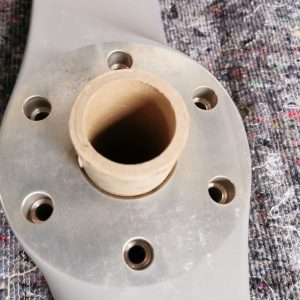
New, Never Installed should be evaluated through its data plate, serial number, dimensions, hub, mounting arrangement, storage condition, documentation, and approved aircraft-and-engine applicability.
The Sensenich Propeller P/N 74DM6-0-60, Sensenich 74DM6 Propeller, and 74DM6-0-60 Aircraft Propeller descriptions identify closely related searches for this specific aviation component.
A Sensenich Fixed-Pitch Propeller may also be categorized as a Sensenich Aluminum Propeller or Fixed-Pitch Aluminum Propeller when the exact material and configuration are confirmed.
The 74-Inch Aircraft Propeller, 60-Inch Pitch Propeller, Lycoming O-320 Propeller, and General Aviation Propeller keywords represent common dimensional, engine, and application searches associated with the model.
A Replacement Aircraft Propeller must match the approved aircraft, engine, hub, bolt pattern, spinner, diameter, pitch, and operating limitations.
Identifying the Sensenich Propeller Correctly
Complete identification reduces unsuitable purchases and gives maintenance professionals the information required for further review.
Original packaging can support the product history but does not replace inspection of the actual propeller.
Verifying Condition Before Installation
The seller should disclose the purchase date, ownership history, storage environment, packaging condition, and any previous trial fitting.
New, Never Installed.
How a Fixed-Pitch Aluminum Propeller Operates
Its practical performance depends on blade design, diameter, pitch, engine power, maximum RPM, airframe configuration, aircraft weight, altitude, temperature, and installation condition.
The pitch configuration affects engine RPM, acceleration, climb characteristics, cruise behavior, and overall loading.
Evaluating Blade and Hub Condition
Aluminum construction offers a durable and proven solution for many general aviation aircraft when the blades, hub, mounting surfaces, leading edges, tips, and protective finish remain within acceptable condition.
Identification markings should remain legible and protected during handling.
Avoiding Unverified Propeller Size Claims
The 74-inch diameter description should be confirmed through the complete model designation, manufacturer data, available records, and suitable physical measurement.
Diameter should be measured using an appropriate hub-center reference and complete tip-to-tip procedure.
Documenting the Propeller Configuration
Pitch influences theoretical forward movement, engine loading, achievable RPM, climb behavior, and cruise characteristics.
A never-installed propeller should still be reviewed for shipping distortion, impact, or manufacturing-record consistency.
Avoiding Universal O-320 Compatibility Claims
The buyer should review current approved installation information before purchasing or mounting the propeller.
The engine and propeller combination must remain within applicable RPM and power limitations.
Two-Blade Aircraft Propeller Configuration
Blade comparison should include the faces, backs, roots, leading edges, trailing edges, tips, and hub transitions.
The buyer should examine both blades for differences in paint, coating website wear, pressure marks, corrosion, shape, tip condition, and packaging contact.
Inspecting the Propeller Mounting Area
Detailed hub inspection helps verify the stated condition.
The propeller should never be drilled, forced, or modified to fit an incompatible engine flange.
Leading-Edge and Blade-Surface Inspection
The depth, location, orientation, and extent of any defect affect the appropriate inspection or corrective action.
Protective wrapping can sometimes conceal moisture staining or abrasion caused by movement inside the packaging.
Maintaining the Factory Finish
Discoloration, white residue, paint bubbling, coating separation, staining, or pitting should be evaluated instead of dismissed automatically as cosmetic.
Responsible storage protects the Fixed-Pitch Aluminum Propeller.
Understanding Approved Propeller Design
Certified design status does not automatically establish the present serviceability, airworthiness, or installation eligibility of an individual propeller.
A release certificate or service tag belonging to another serial number does not establish the condition of the offered unit.
Evaluating Release Paperwork
Reliable traceability improves professional buyer confidence.
Paperwork should not be interpreted beyond its actual scope or current relevance.
Pre-Purchase Inspection Checklist
Uncertainty regarding identity, dimensions, storage, condition, or installation eligibility should be resolved before shipping.
- Compare the propeller with the receiving aircraft model, serial range, Lycoming engine designation, engine flange, spinner, operating limitations, and approved installation information.
- Inspect or document the diameter, pitch, blade symmetry, finish condition, corrosion, pitting, scratches, dents, cracks, coating damage, tip shape, mounting holes, and hub surfaces.
- Retain photographs, serial information, measurements, purchase records, inspection reports, release documents, and freight paperwork with the aircraft project file.
Aircraft Propeller Crating Requirements
The propeller should be packaged in a rigid crate or container that supports the hub and protects both blades from bending, impact, abrasion, and uncontrolled movement.
Loose hardware, records, spinner components, and accessories should be wrapped, labeled, and secured separately.
Long-Term Aluminum Propeller Storage
Protective materials should prevent contamination without trapping moisture.
Organized storage supports the commercial value of the General Aviation Propeller.
Mounting the Replacement Aircraft Propeller
Incorrect bolts, unsuitable washers, damaged threads, or improvised spacers should not be used.
Fasteners should be tightened and secured according to applicable procedures, torque values, and tightening sequences.
Authorized personnel should complete all required maintenance records and return-to-service actions.
Preventive Blade and Hub Inspection
Unapproved filing or sanding can remove excessive material and alter the blade geometry.
Recurring vibration should prompt review of the propeller, spinner, engine mounts, flange, ignition system, and engine condition.
Replacement Propeller Ownership Costs
The commercial value of a new Sensenich propeller depends on exact identification, serial number, manufacturing date, storage history, dimensional conformity, factory finish, inspection status, traceability, and included accessories.
Commercial evaluation should focus on verified suitability rather than condition wording alone.
Buying a Fixed-Pitch Aluminum Propeller
The Sensenich Propeller – P/N 74DM6-0-60
The strongest purchasing decision begins with confirming the full model designation, serial number, manufacturing details, 74-inch diameter, 60-inch pitch, blade count, hub, bolt pattern, aircraft applicability, engine compatibility, storage history, physical condition, and documentation.
Whether the requirement is a Sensenich Propeller P/N 74DM6-0-60, Sensenich 74DM6 Propeller, or 74DM6-0-60 Aircraft Propeller, exact identification should guide the purchase.
With verified identity, suitable dimensions, documented storage, acceptable physical condition, professional installation, and routine maintenance, the propeller can provide dependable long-term value.